

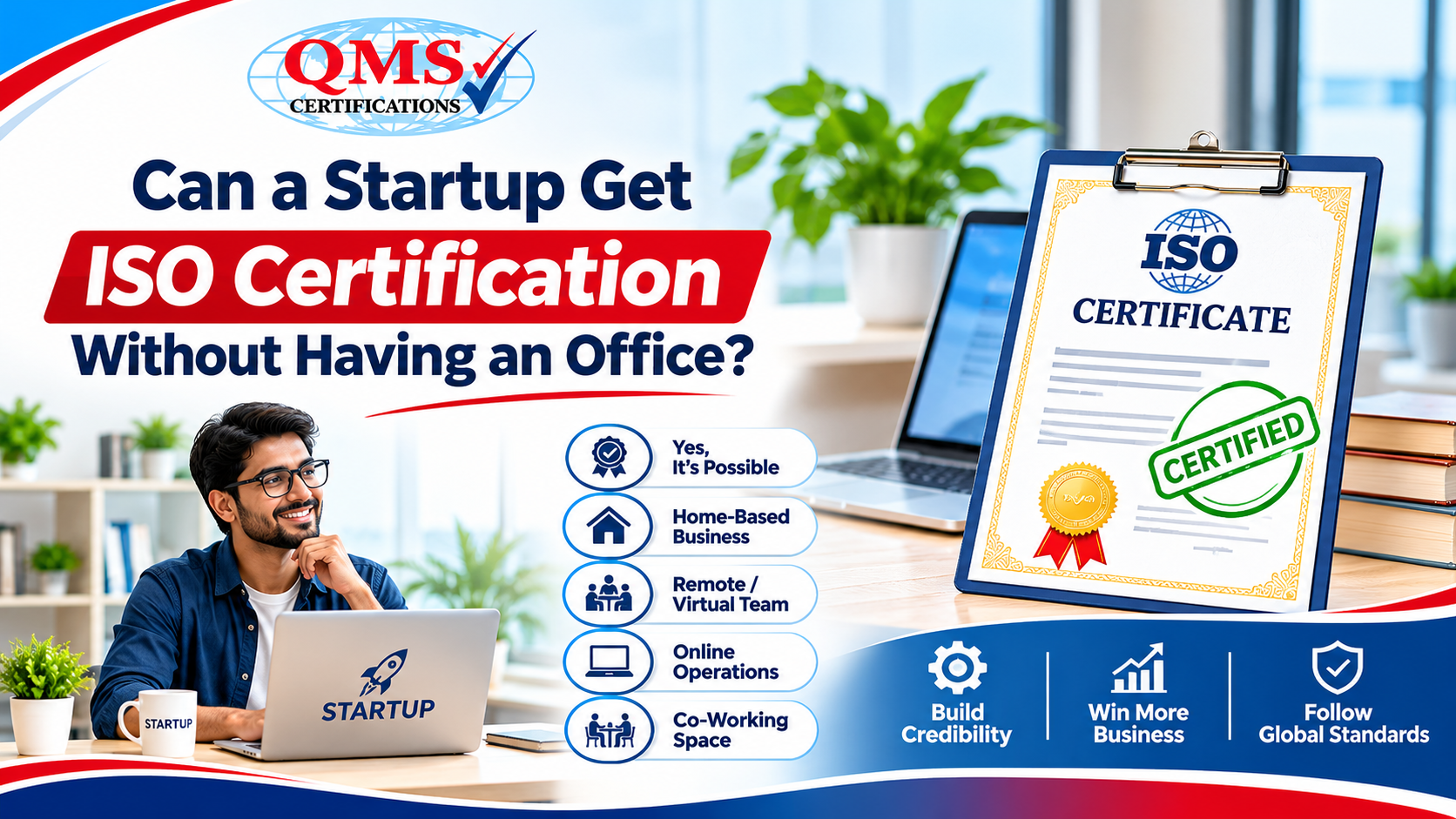
Can a Startup Get ISO Certification Without Having an Office
Can a Startup Get ISO Certification Without Having an Office
Starting a business in India has become easier than ever. Many entrepreneurs now operate from home, shared workspaces, coworking spaces or completely online. IT startups, digital marketing agencies, software companies, consultants and freelancers often begin their journey without renting a traditional commercial office.
But when they approach clients, participate in government tenders or apply for business opportunities, one question often comes up: Can a startup get ISO certification without having an office?
The answer is yes. A startup can obtain ISO certification without owning or renting a traditional office, provided it meets the applicable requirements of the selected ISO standard and can demonstrate that its business processes are properly managed.
ISO certification focuses on how an organisation operates, manages quality, protects information and delivers products or services. It does not simply depend on whether the business has a physical office.
For example, a software development startup operating from the founder's home can implement ISO 9001 to manage service quality. Similarly, a remote IT company can implement ISO/IEC 27001 to establish an information security management system.
However, the business must have genuine operations, defined responsibilities, relevant documentation and arrangements for the certification audit.
In this guide, we explain how startups in India can get ISO certification without an office, which documents are required and how to complete the certification process.
Can a Startup Get ISO Certification Without a Physical Office?
Yes. ISO certification for startups without an office is possible, including businesses operating through:
- A home-based business setup.
- A coworking or shared office space.
- A virtual office arrangement, where legally and operationally appropriate.
- A remote-working team.
- An online business or digital service platform.
- A freelancer-led or consultant-based business.
The important factor is whether the startup can establish and demonstrate an effective management system.
For example, consider a startup in Delhi providing website development services. Its founder works from home, while developers work remotely from different cities.
The business can still implement ISO 9001 by maintaining documented project procedures, client communication records, quality checks, employee responsibilities and customer feedback.
However, there is one important point: the certification body must establish the correct certification scope and identify the actual location or locations relevant to the audit. A virtual address alone does not automatically establish eligibility.
Does ISO require a rented office? No universal requirement applies across all ISO management system standards. However, specific industry regulations, customer contracts or the applicable certification scheme may impose additional requirements.
Why Choose QMS Certificate for Startup ISO Certification?
Getting ISO certification for a new business can feel complicated, particularly when you do not have an established office or a dedicated compliance team.
At QMS Certificate, we help businesses understand the applicable ISO requirements and prepare for the certification process.
Our support focuses on:
- Startup-friendly guidance: Understand which ISO standard matches your business activities.
- Documentation assistance: Get guidance on preparing the necessary policies, procedures and records.
- Business-specific solutions: Documentation and implementation guidance based on your actual operations.
- Audit preparation: Understand what auditors may review during the certification assessment.
- End-to-end assistance: Get support throughout the certification journey.
Whether you operate from home, work remotely or run a small digital business, our team can help you understand the requirements for obtaining suitable ISO certification.
Key Benefits of ISO Certification for Startups Without an Office
ISO certification can help startups build professional business practices from an early stage. Some important benefits include:
1. Builds Trust and Business Credibility
New businesses often struggle to establish trust because they do not have a long operating history.
ISO certification can demonstrate that your startup follows an independently assessed management system, helping potential clients and business partners gain confidence in your processes.
2. Helps Win Corporate Contracts and Tenders
Many large organisations prefer or require suppliers to hold specific ISO certifications.
For example, a small IT startup applying for a corporate software development contract may benefit from ISO 9001 or ISO/IEC 27001 certification, depending on the buyer's requirements.
3. Improves Business Operations
ISO standards encourage businesses to establish clear procedures, assign responsibilities, monitor performance and address problems systematically.
This can reduce operational confusion as your startup grows.
4. Supports Remote and Online Business Models
Startups do not necessarily need a conventional office to maintain organised business operations.
They can use digital documentation, cloud-based systems, online meetings and remote monitoring to manage their processes, provided these arrangements meet the relevant standard's requirements.
5. Creates Better Growth Opportunities
ISO certification may strengthen your business profile when approaching enterprise clients, expanding into new markets or developing supplier relationships.
It does not guarantee contracts, but it can support your business's credibility.
Which ISO Certification Is Suitable for a Startup?
The right ISO standard depends on your business activities and customer requirements.
|
ISO Standard |
Suitable For |
|---|---|
|
ISO 9001 |
Startups, service providers and manufacturing businesses |
|
ISO/IEC 27001 |
IT companies, SaaS businesses and software startups |
|
ISO 14001 |
Businesses managing environmental impacts |
|
ISO 45001 |
Organisations managing occupational health and safety |
|
ISO 22000 |
Food businesses and food-related startups |
For example, a home-based consultancy may consider ISO 9001, while a software startup handling sensitive customer information may consider ISO/IEC 27001.
The selection should be based on the actual business scope rather than choosing a standard simply because it is popular.
Step-by-Step ISO Certification Process for Startups
The process of obtaining ISO certification without a physical office is generally similar to that followed by other eligible organisations.
Step 1: Identify the Appropriate ISO Standard
First, identify which ISO standard matches your startup's activities.
Consider your services, products, customer expectations, operational risks and contractual requirements.
Step 2: Define Your Business Scope
Clearly describe what your startup does and which activities will be covered by certification.
For example:
"Provision of Website Development, Software Development and Digital Technology Services."
The scope should accurately represent your actual activities and relevant operating locations.
Step 3: Prepare the Required Documentation
Prepare the management system documents according to the selected ISO standard.
These may include:
- Quality policy or applicable management policy.
- Business process documentation.
- Roles and responsibilities.
- Risk assessment records.
- Operational procedures.
- Customer feedback records.
- Employee training records, where applicable.
Step 4: Implement the Management System
Start following the documented procedures in your daily business operations.
For a remote startup, this may include maintaining digital project records, conducting online team meetings, monitoring service quality and controlling access to business information.
Step 5: Internal Audit and Management Review
Evaluate whether your management system is working as intended.
Identify gaps, correct nonconformities and review the system's performance before the external certification audit.
Step 6: External Certification Audit
An independent certification body assesses whether your management system meets the applicable ISO requirements.
The audit may involve reviewing documents, interviewing relevant personnel and examining actual business processes. Remote audit methods may be used where permitted and appropriate.
Step 7: Certification Decision and Certificate Issuance
If the audit requirements are satisfied and the certification body approves the assessment, it issues the certificate for the defined scope.
Remember that ISO itself does not issue certificates. Certification is performed by independent certification bodies.
Documents Required for ISO Certification Without an Office
One of the common concerns among new entrepreneurs is whether they need extensive documentation or office-related documents to apply for ISO certification.
The actual requirements depend on the selected ISO standard, business structure and certification scope.
Generally, a startup may need the following documents:
|
Document |
Purpose |
|---|---|
|
Business registration proof |
Establishes the legal identity of the business, where applicable |
|
PAN card |
Business or proprietor identification, as applicable |
|
GST registration |
If applicable to the business |
|
Business address details |
Identifies the actual operating or registered location |
|
Founder/owner details |
Identifies the person responsible for the business |
|
Employee details |
Records team members and their responsibilities, where applicable |
|
Quality or management policy |
Explains the organisation's management commitments |
|
Process documentation |
Describes how business activities are performed |
|
Risk assessment |
Identifies relevant business risks |
|
Training records |
Demonstrates employee competence, where applicable |
|
Internal audit records |
Demonstrates internal evaluation of the management system |
|
Management review records |
Records management's evaluation of system performance |
Is a Rent Agreement Mandatory?
Not necessarily. A rented commercial office is not a universal requirement for ISO certification.
If your startup operates from home, the relevant home-based operating address may need to be identified and assessed. If you use a coworking space, the actual working arrangements and access to the location should be explained.
A virtual office address should not be presented as a location where business activities actually occur if they do not. The certification body must assess the real operating arrangements and determine the appropriate audit approach.
Important Things Startups Should Know Before Applying
Before applying for ISO certification without an office, keep these points in mind:
-
Maintain genuine business operations: Your startup should have actual products, services or business activities within the proposed certification scope.
-
Keep accurate address details: Provide correct registered and operational address information.
-
Prepare digital records: Maintain business documents, project records and other relevant evidence in an organised manner.
-
Identify remote employees: Clearly define employee roles, responsibilities and reporting arrangements.
-
Choose a suitable certification body: Check its competence, relevant accreditation and scope before proceeding.
-
Avoid misleading certification claims: Never purchase a certificate without the required assessment.
A useful reference is the official ISO certification guidance, which explains the difference between ISO standards, certification and accreditation.
Frequently Asked Questions (FAQs)
1. Can a startup get ISO certification without having an office in India?
Yes. A startup in India can obtain ISO certification without renting a traditional office. It must establish a suitable management system, provide accurate business location details and satisfy the requirements of the selected ISO standard and certification body.
2. Can I get ISO 9001 certification for a home-based business?
Yes. A home-based business can apply for ISO 9001 certification if it establishes and implements an effective Quality Management System (QMS). Its actual business activities, processes and relevant operating location must be covered by the certification scope.
3. Is GST registration mandatory for ISO certification?
GST registration is not a universal requirement under ISO management system standards. However, applicable business registration, tax and regulatory requirements must be considered based on the organisation's legal structure and activities.
4. Can a freelancer or consultant apply for ISO certification?
Yes. Freelancers and independent consultants may be eligible for relevant ISO management system certification, depending on their business activities and the applicable standard. They must demonstrate how their processes meet the certification requirements.
5. Which ISO certification is best for a new startup?
ISO 9001 is a common choice for startups looking to improve service or product quality. IT and software startups handling sensitive information may also consider ISO/IEC 27001. The best option depends on the business model, risks and customer requirements.
Conclusion: Get ISO Certification for Your Startup Without Renting an Office
Not having a traditional office should not stop you from building a professionally managed and credible startup.
Whether you operate from home, use a coworking space, manage a remote team or provide services entirely online, you may be eligible for ISO certification if your business meets the applicable requirements.
The key is to establish genuine business operations, maintain proper documentation, implement the relevant management system and complete an independent certification audit.
If you are planning to obtain ISO certification for your startup without an office, QMS Certificate can help you understand the requirements, select the appropriate ISO standard and prepare for the certification process.
Start your ISO certification journey today.
Contact QMS Certificate for professional guidance:
- Email: info@qmscertificate.com
- Website: https://www.qmscertificate.com/
Build business credibility, improve your processes and prepare your startup for new growth opportunities with the right ISO certification.
Having any Query? Talk to our Experts
Our Projects are fully tested, background checked, license validated and insured
with a 100% satisfaction guarantee.
Contact Info
 qmscertify@gmail.com
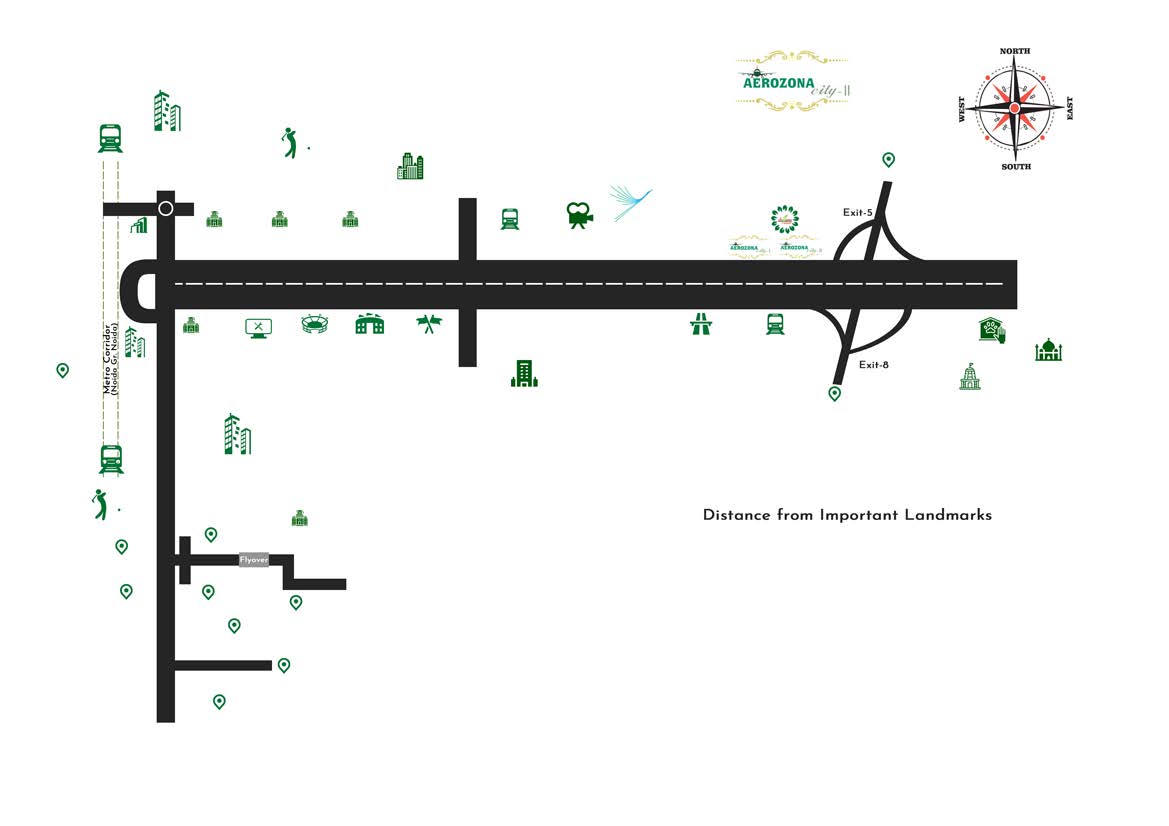 View Location Map


