

Is ISO Certification Mandatory in India? Rules, Benefits and Industry Requirements
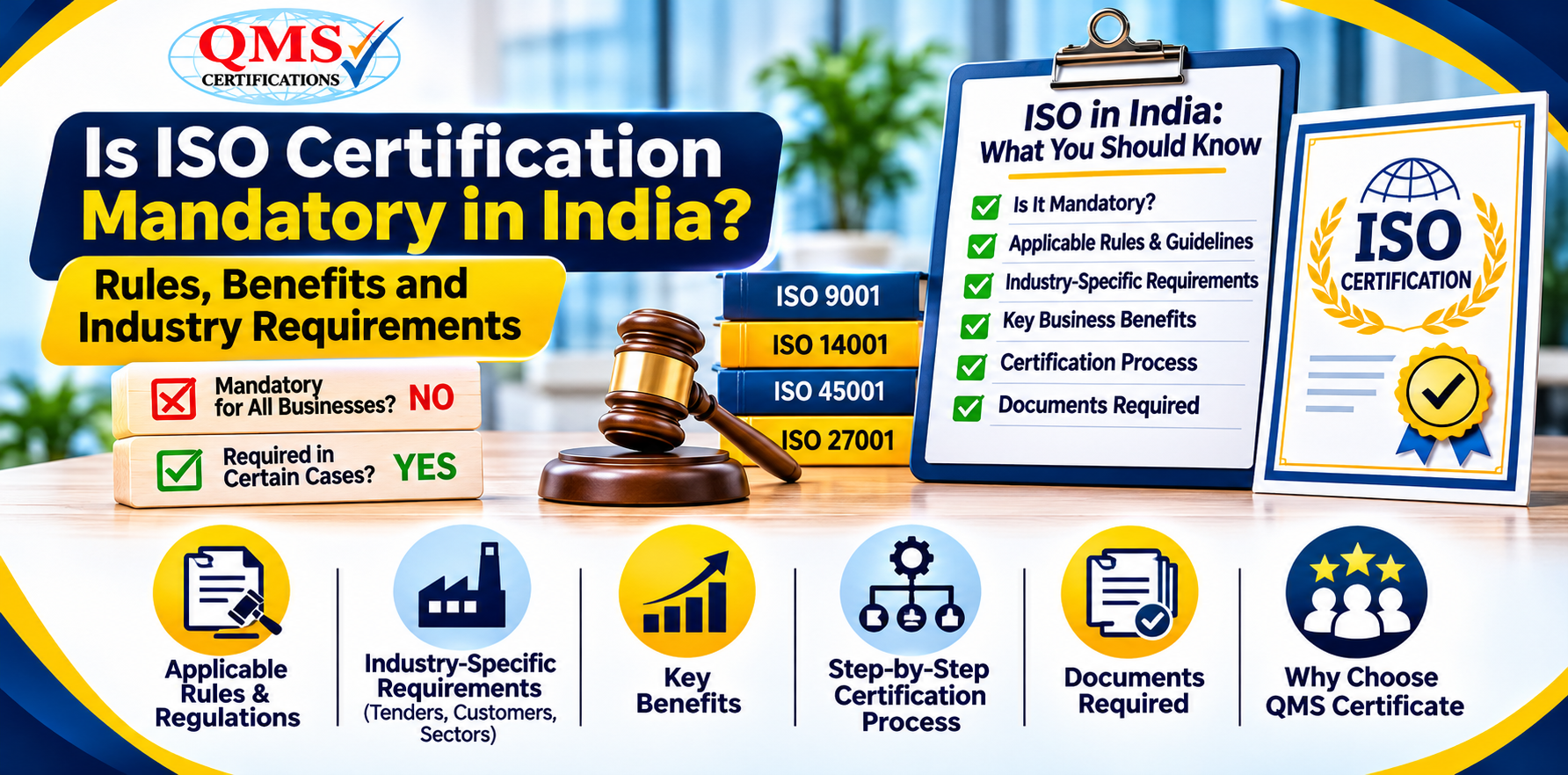
Is ISO Certification Mandatory in India? Rules, Benefits and Industry Requirements
Introduction
Many business owners in India have one common question before applying for certification: Is ISO certification mandatory in India?
Whether you run a startup, manufacturing unit, trading company, IT firm or service-based business, understanding the legal requirements is important before spending money on certification.
The simple answer is that ISO management system certification is generally voluntary in India. However, specific government tenders, customer contracts, industry requirements and regulatory conditions may require particular certifications.
For example, a manufacturing company in Haryana may choose ISO 9001 to improve quality management and meet a buyer's supplier requirements. Similarly, an IT company in Bengaluru may obtain ISO 27001 to demonstrate its commitment to information security.
It is also important to understand the difference between ISO certification and compulsory BIS product certification. Certain products must meet mandatory Indian Standards under applicable Quality Control Orders.
In this guide, QMS Certificate explains ISO certification rules in India, industry requirements, key benefits, required documents and the certification process.
Is ISO Certification Mandatory in India?
No. ISO management system certification is not legally mandatory for every business operating in India.
Most organisations can choose whether to obtain certifications such as ISO 9001, ISO 14001, ISO 45001 or ISO 27001 according to their business objectives.
However, certification may become a practical or contractual requirement in certain situations.
When Can ISO Certification Become Necessary?
There are four common situations:
1. Government Tenders
Some government departments and public sector organisations specify ISO certification as an eligibility condition in their tender documents.
For example, a construction company participating in a particular infrastructure tender may need ISO 9001 or ISO 45001 if the tender specifically requires it.
2. Customer and Supplier Agreements
Large companies and international buyers may require their suppliers to maintain an ISO-certified management system.
3. Industry-Specific Requirements
Businesses operating in food processing, healthcare, manufacturing and information technology may face specific regulatory, customer or supply-chain requirements.
4. International Business Opportunities
Foreign buyers may prefer certified suppliers because certification provides evidence of an independently assessed management system.
Remember that ISO certification does not automatically replace statutory licences, product approvals or other legal compliance requirements.
ISO Certification vs BIS Certification: Understand the Difference
This is an important distinction for Indian businesses.
ISO certification generally evaluates an organisation's management system, whereas BIS product certification confirms that a product meets applicable Indian Standard requirements under the relevant conformity assessment scheme.
For example:
-
ISO 9001 evaluates a company's quality management system.
-
BIS certification may be compulsory for a product covered by an applicable Quality Control Order.
-
An ISO 9001 certificate does not replace a compulsory BIS licence or ISI Mark requirement.
Businesses manufacturing electrical products, helmets, toys, cement or other regulated products should check the latest BIS requirements applicable to their products.
The Bureau of Indian Standards publishes the official list of products under compulsory certification.
Which ISO Certifications Are Commonly Used in India?
Different ISO standards address different business requirements.
1. ISO 9001 – Quality Management System
ISO 9001 is suitable for manufacturers, traders, startups and service providers.
It helps businesses improve process control, customer satisfaction and product or service consistency.
2. ISO 14001 – Environmental Management System
ISO 14001 helps organisations manage environmental impacts, waste, resource consumption and environmental responsibilities.
It is particularly relevant to manufacturing and industrial businesses.
3. ISO 45001 – Occupational Health and Safety
ISO 45001 focuses on workplace safety, hazard identification and reducing occupational health and safety risks.
Construction companies and manufacturing units may benefit from implementing this standard.
4. ISO 22000 – Food Safety Management System
ISO 22000 is designed for organisations involved in the food supply chain, including food manufacturers, processors and packaging businesses.
5. ISO 27001 – Information Security Management System
ISO 27001 helps IT companies, software developers, BPOs and other organisations protect sensitive business and customer information.
Key Benefits of ISO Certification for Indian Businesses
Although ISO certification is generally voluntary, it can provide practical advantages when properly implemented.
1. Better Business Credibility
An independently assessed management system can increase confidence among customers, suppliers and business partners.
2. Improved Quality Management
ISO 9001 encourages organisations to monitor processes, identify problems and improve product and service quality.
3. Better Tender Opportunities
Certification can help businesses meet tender eligibility requirements when a specific ISO standard is requested.
4. Increased Customer Satisfaction
Structured procedures help businesses handle complaints, monitor feedback and improve customer experiences.
5. Improved Employee Responsibilities
Employees gain a clearer understanding of their roles, responsibilities and operational procedures.
6. Better Risk Management
ISO management systems encourage businesses to identify risks and take suitable preventive actions.
7. Support for Business Expansion
A structured management system can help startups and MSMEs prepare for larger customers, new markets and complex operations.
Step-by-Step ISO Certification Process in India
If your business decides to obtain ISO certification, the following steps provide a general roadmap.
Step 1: Select the Right ISO Standard
Choose the standard according to your business activities and customer requirements.
For example, a manufacturing company may start with ISO 9001, while an IT business may consider ISO 27001.
Step 2: Define the Certification Scope
Identify the business activities, departments, locations and processes that will be covered.
Step 3: Submit the Application
Provide your company details, employee strength, business activities and certification requirements.
Step 4: Conduct a Gap Analysis
Review your existing processes and identify the changes needed to meet the selected ISO standard.
Step 5: Prepare ISO Documentation
Develop applicable policies, procedures, risk assessments, objectives and operational records.
Step 6: Implement the Management System
Train employees and ensure that the documented procedures are followed in daily operations.
Step 7: Conduct an Internal Audit
Evaluate the management system, identify non-conformities and complete corrective actions.
Step 8: Complete the External Certification Audit
An independent certification body evaluates the organisation against the selected ISO standard.
Step 9: Certification Decision and Issuance
After successful audit completion and closure of required findings, the certification body makes its decision and issues the certificate.
Documents Required for ISO Certification
The required documents depend on the selected standard and the nature of your business.
Common documents include:
-
Company incorporation or business registration certificate.
-
PAN card of the organisation.
-
GST registration certificate, where applicable.
-
Business address proof.
-
Company profile and business activity details.
-
Employee details and organisational structure.
-
Quality or relevant management system policy.
-
Management system objectives.
-
Process procedures and work instructions, where applicable.
-
Risk assessment records.
-
Employee training and competency records.
-
Internal audit reports.
-
Management review records.
-
Corrective action and improvement records.
Additional documents may be required for specialised industries such as food processing, healthcare, pharmaceuticals and manufacturing.
Why Choose QMS Certificate?
Choosing the right ISO certification support provider can make the process easier for businesses, particularly startups and MSMEs applying for the first time.
At QMS Certificate, we help organisations understand applicable ISO standards, documentation requirements and certification procedures.
Our services include:
-
Guidance on selecting the appropriate ISO standard.
-
ISO certification application assistance.
-
Quality management documentation support.
-
SOP and policy preparation.
-
Management system implementation guidance.
-
Internal audit preparation.
-
Certification audit coordination.
-
Support for startups, MSMEs and manufacturing companies.
We focus on understanding your business activities before recommending a suitable certification approach.
Our aim is to make the process clear, practical and professionally managed, with transparent information about consultancy support and independent certification requirements.
Frequently Asked Questions (FAQs)
1. Is ISO certification mandatory for all companies in India?
No. ISO management system certification is generally voluntary for Indian companies. However, specific government tenders, customer contracts or industry requirements may make particular certifications necessary.
2. Is ISO 9001 certification mandatory in India?
No. ISO 9001 is not universally mandatory in India. However, certain government tenders, corporate buyers and supplier agreements may require it as an eligibility condition.
3. Is ISO certification mandatory for MSME businesses?
No. MSMEs are not automatically required to obtain ISO certification because of their MSME registration. However, certification can help them improve processes, build customer confidence and meet specific business requirements.
4. Is ISO certification mandatory for manufacturing companies?
Generally, no. However, specific customers, contracts and tender conditions may require ISO certification. Manufacturers must separately comply with applicable BIS Quality Control Orders and other product-specific regulations.
5. Which ISO certification is best for a small business in India?
ISO 9001 is a common starting point for small businesses because it focuses on quality management. IT companies may consider ISO 27001, while food businesses may consider ISO 22000, depending on their activities and customer requirements.
Conclusion
So, is ISO certification mandatory in India? For most businesses, the answer is no. However, particular tenders, customer agreements and industry requirements can make certification necessary.
The important thing is to identify your business requirements before selecting an ISO standard. You should also distinguish between management system certification, compulsory BIS product certification and other statutory licences.
Whether you operate a startup, MSME, manufacturing unit or service company, the right ISO management system can improve business processes, strengthen credibility and support long-term growth.
Get ISO Certification Guidance from QMS Certificate
Planning to obtain ISO 9001, ISO 14001, ISO 45001, ISO 22000 or ISO 27001 certification?
Contact QMS Certificate to understand the suitable standard, documentation requirements and certification process for your business.
QMS Certificate
Website: https://www.qmscertificate.com/
Email: info@qmscertificate.com
Get in touch with our team today and take an informed step towards improving your business quality and credibility.
Having any Query? Talk to our Experts
Our Projects are fully tested, background checked, license validated and insured
with a 100% satisfaction guarantee.
Contact Info
 qmscertify@gmail.com
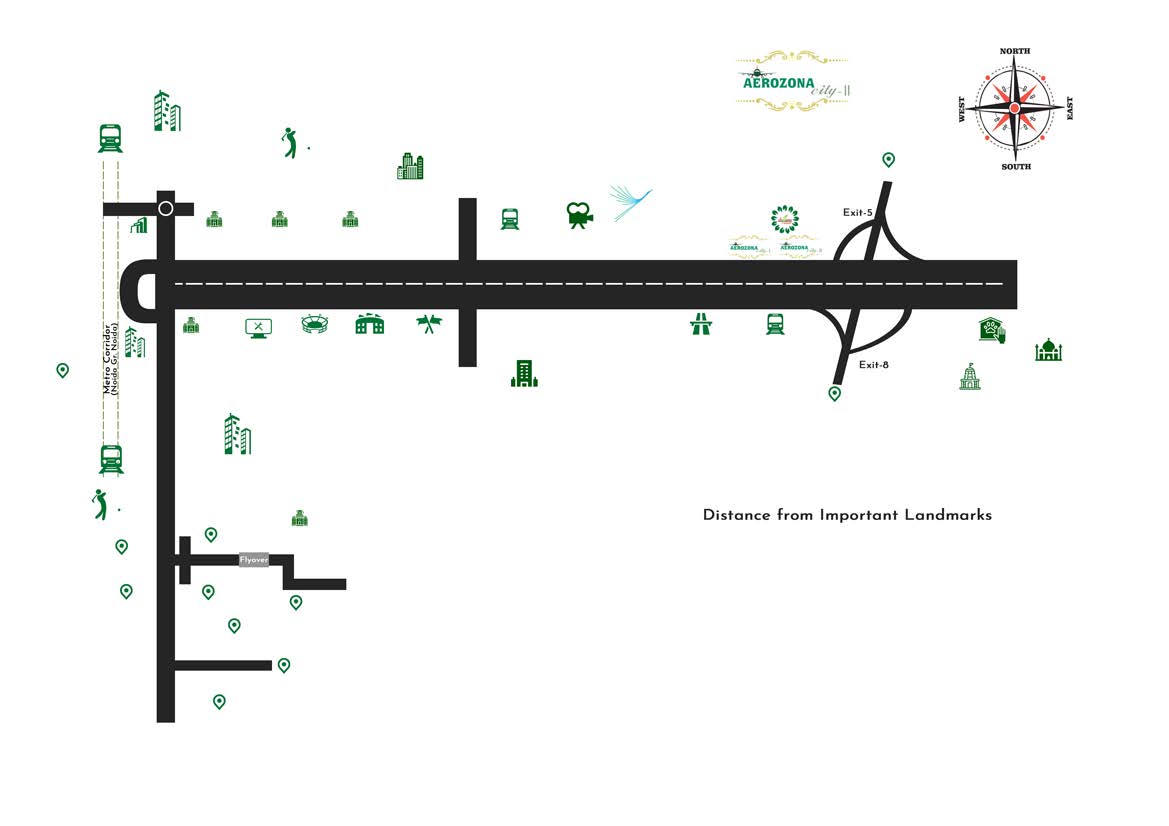 View Location Map


